
Expert Furniture Assembly in London: From Homes to Commercial Offices Whether you are moving into a new residential property or
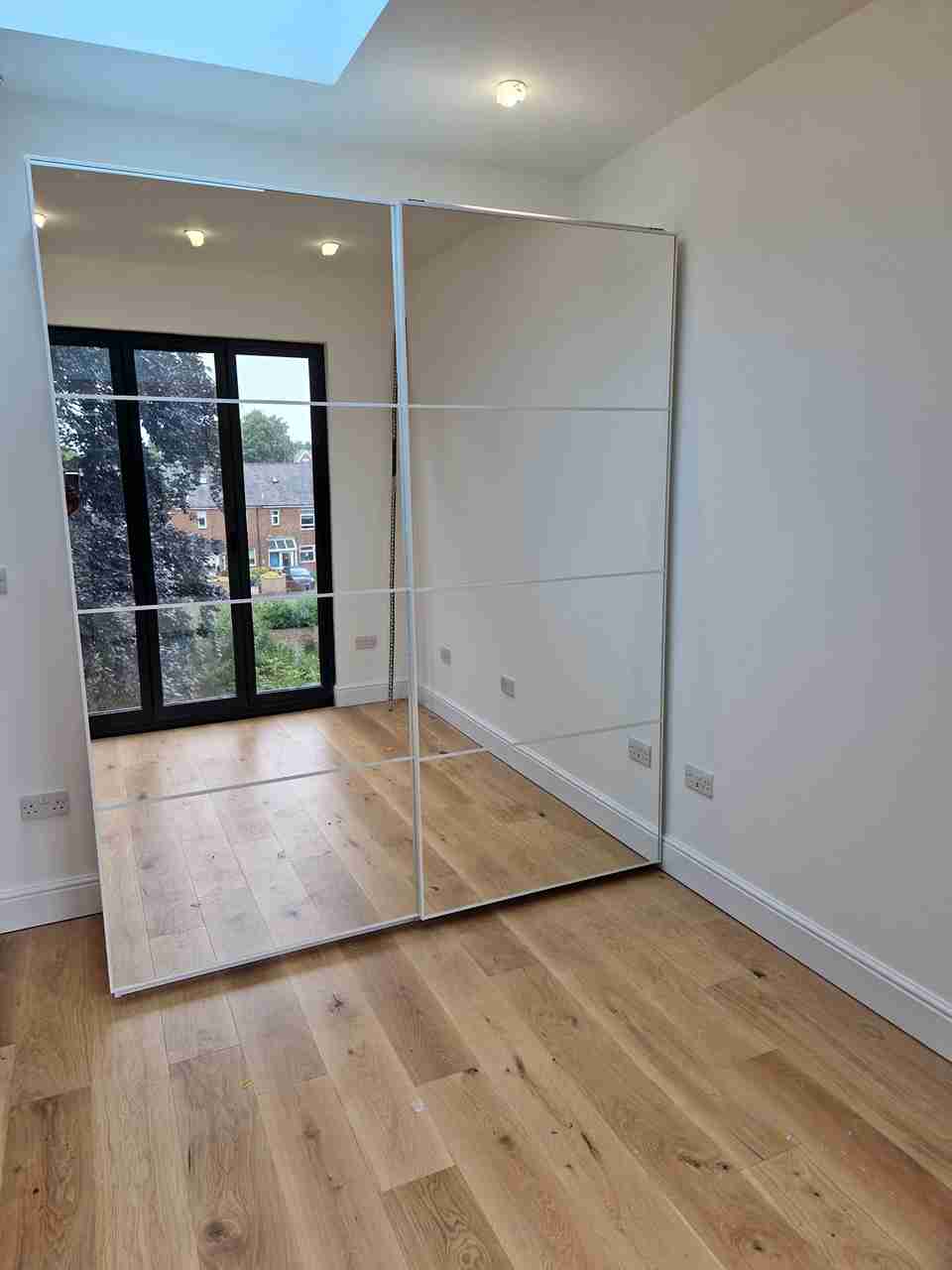
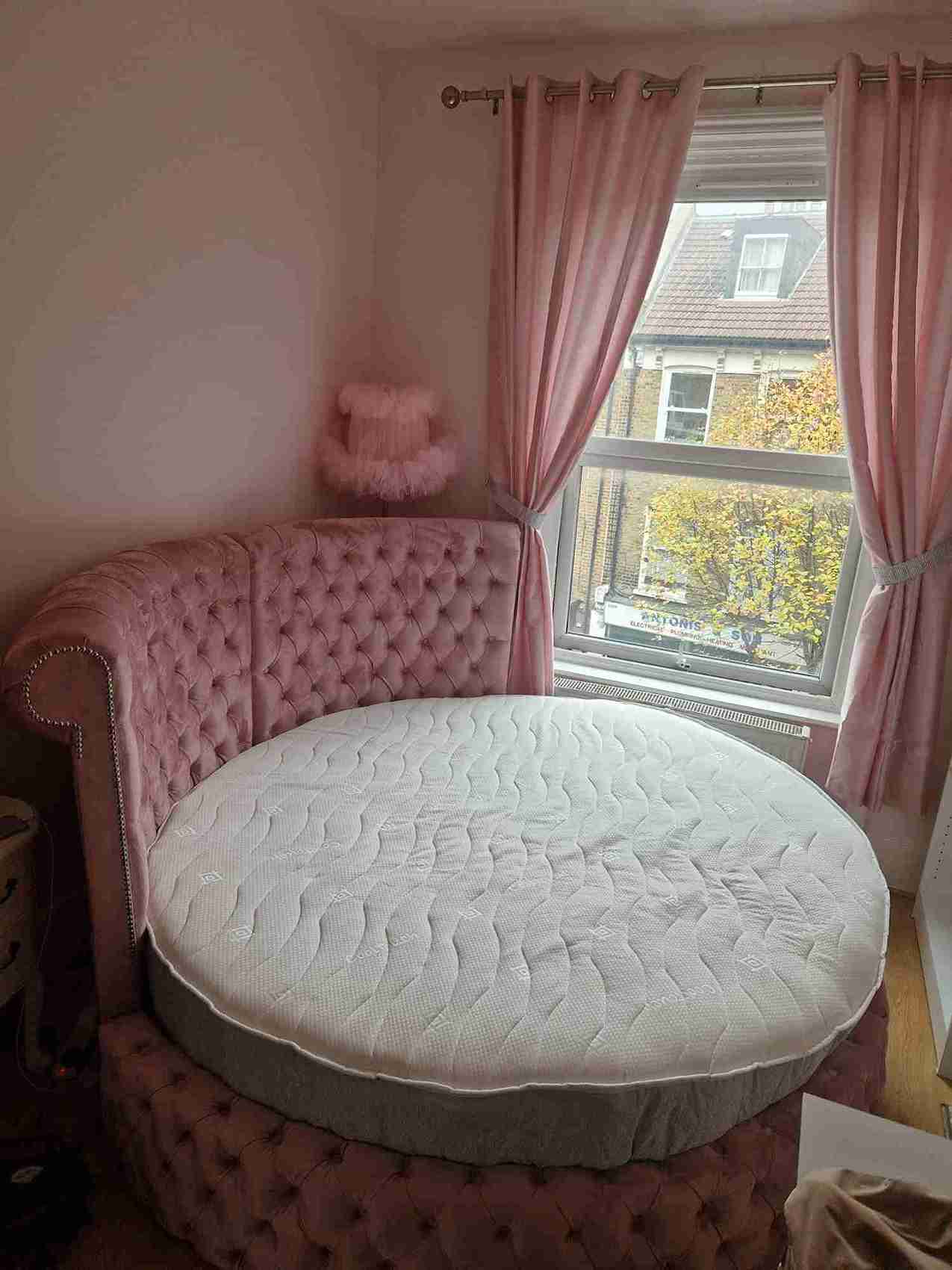
We are the London’s leading flat pack assembling and furniture installation service provider, offering unwavering commitment to excellence. Leveraging our extensive knowledge and strategic work approach, we offer reliable services and promising results. Collaborate with the experts to streamline your experience with unparalleled professionalism and expertise.

Our team of furniture assembly experts will handle all of your flat pack furniture assembly and installation needs, throughout London and the surrounding area. Whether you are searching for furniture assembly for your home, office, or outdoor area, our team has the right solution for you. We offer private home assembly services, as well as business or corporate furniture assembly services. Call us today to discuss our professional, efficient, and affordable flat pack assembly services.





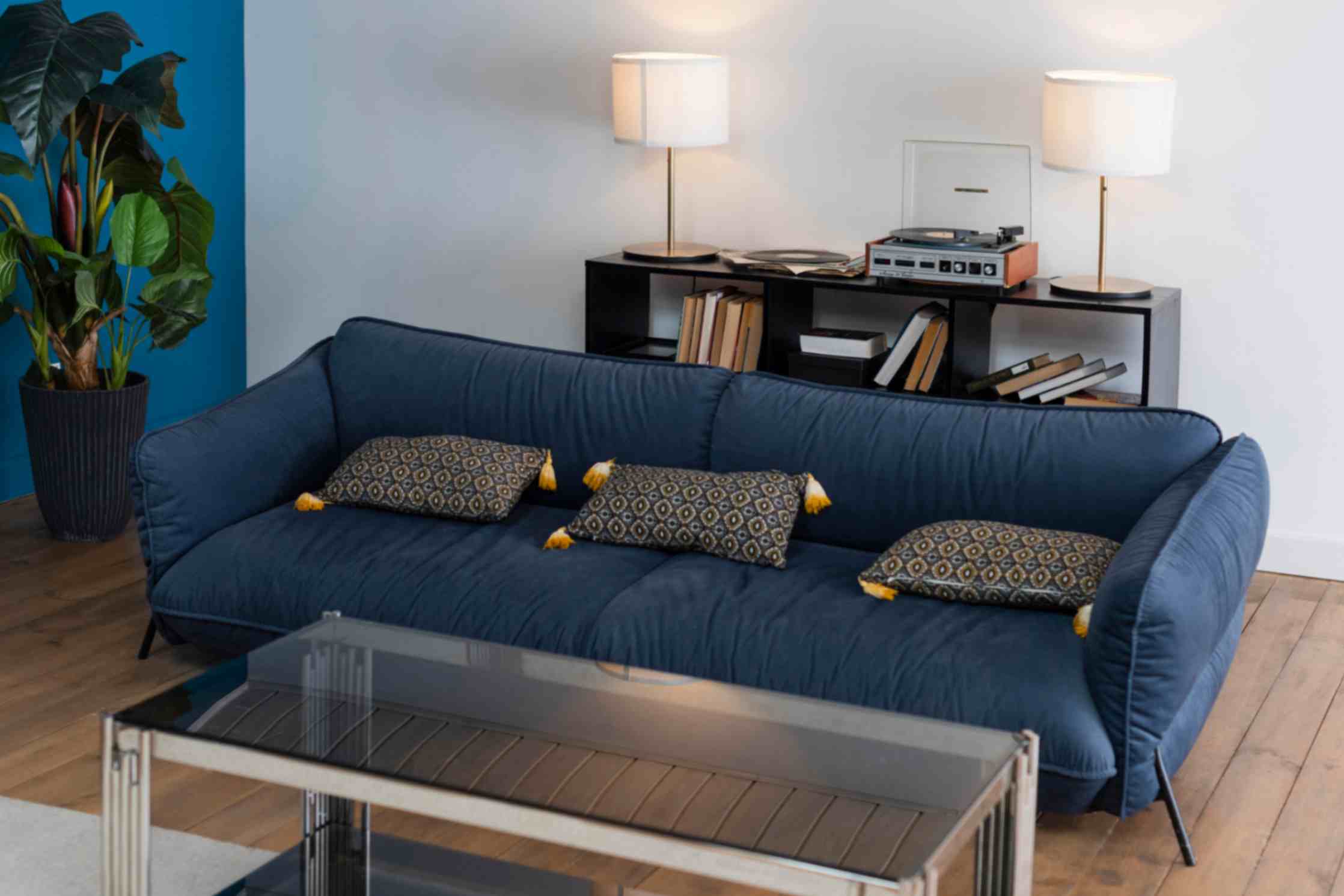
Flat-pack furniture has turned out to be essential in contemporary residences, providing economical, space-efficient, and elegant solutions. Commencing from the evolutionary head of Gillis Lundgren, a Swedish draughtsman, flat pack furniture was born due to necessity. Lundgren notably broke the legs off a table to fit it into his vehicle and afterward reassembled it at home. This idea aroused the interest of his employers at IKEA, and in 1956, the first piece of flat pack furniture was introduced. At the present time, flat pack furniture is synonymous with comfort and inexpensiveness; however, assembling it can sometimes pose a challenge.
Here is an informative guide on how to build flat pack furniture effectively and appropriately. It covers tips, tools, and troubleshooting methods to help you navigate the procedure expertly.
Flat pack furniture, otherwise known as knock-down or ready-to-assemble furniture, is created to be readily assembled by the buyers. It is shipped in flat boxes comprising all the required components, hardware, and guidelines. The greatest benefit lies in its space-effective design, drastically decreasing shipping and storage expenses. Despite these advantages, assembling flat pack furniture can be complicated, usually resulting in frustration because of vague guidelines and unexpected obstacles.
Start by creating a neat, well-lit, and streamlined workspace. Flat pack furniture usually comes in huge, bulky pieces, so sufficient space is necessary to avoid frustration. If convenient, overcompensate on space to fit packing waste and enable simple movement.
To prevent scuffs or scrapes, assemble your furniture on a carpet or moving pads. Be cautious with deep shag carpets, as small hardware pieces like screws can easily get lost there. Keeping the assembly area tidy can save time and prevent unnecessary setbacks.
Carefully lay out every piece from the flat pack and ensure no screws or hardware are left in the packaging. Count all the components and double-check them against the instructions to confirm nothing is missing. Missing pieces can halt your progress and lead to frustration later.
Organise similar pieces together and label them if necessary. This step will help you quickly locate the required parts and maintain a smooth workflow throughout the assembly process.
Prior to leaping into the assembly, take some time to read the instructions from beginning to end. Become acquainted with the diagrams, symbols, and stepwise procedures to minimise blunders and chaos.
Adhere to the sequence defined in the instruction manual. Taking shortcuts or assembling parts out of order may give rise to errors and wasted time. Be mindful of the orientation and alignment of every piece, as slight differences may have serious consequences.
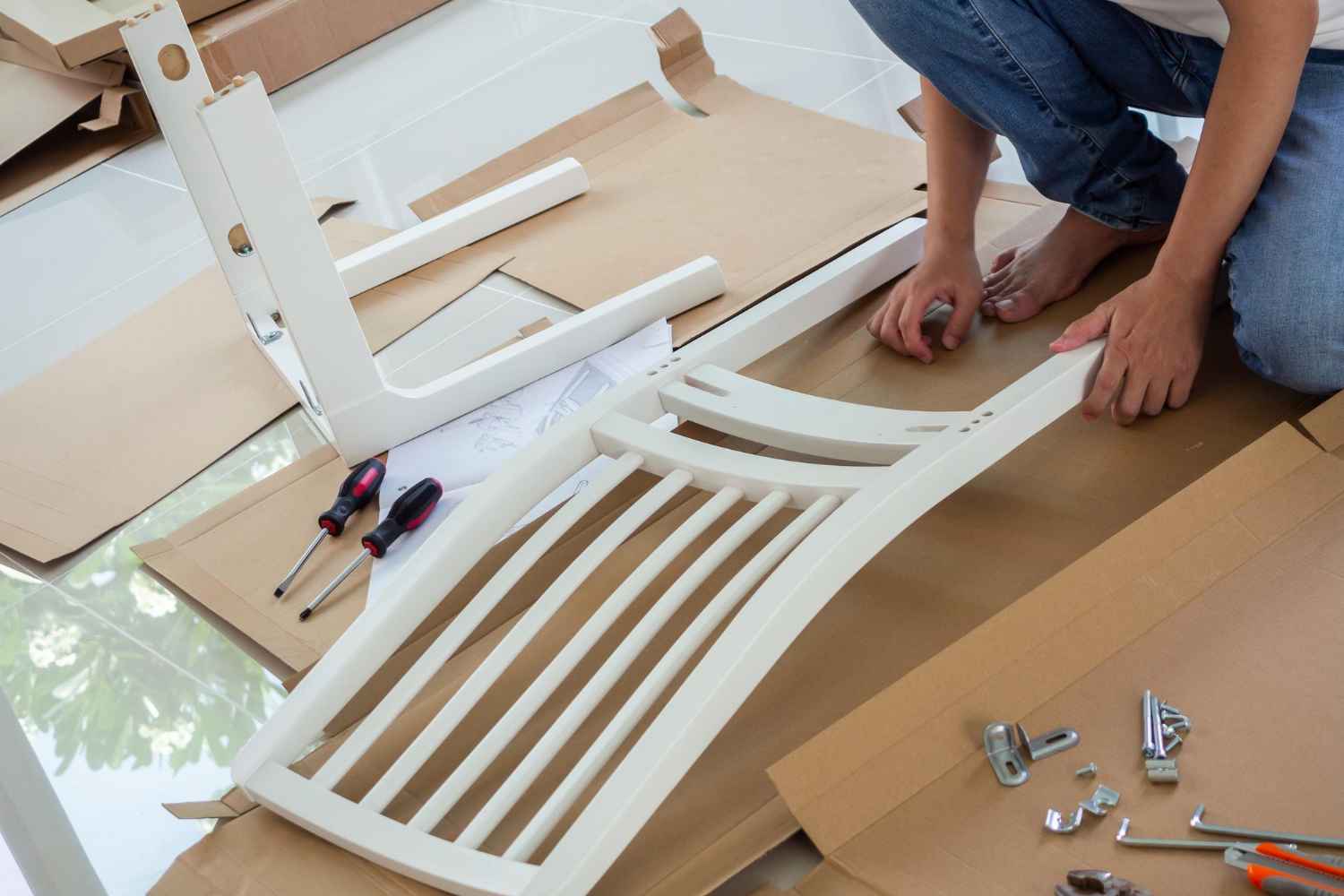
The majority of flat pack furniture comes with the necessary tools; however, having a cohesive toolkit can simplify the procedure. Essential tools include the following:
Check the manual for any extra tools required and keep them within reach.
Assembling furniture with a partner can speed up the process and reduce errors. A second set of hands is particularly useful for stabilising large or heavy components and double-checking the instructions.
Assemble your furniture in the space where it will be placed. Moving a fully assembled piece can prove difficult and cumbersome. Prevent this rookie blunder by building it at its actual location.
Lay out all components and identify which pieces go where. Pre-aligning parts can save time and prevent mistakes that require disassembly and reassembly.
Whereas few DIY enthusiasts recommend using glue for additional strength, it is typically not suggested for flat pack furniture. Mistakes during assembly usually require disassembly, and glued parts can cause lasting damage. Use glue moderately and only if you are self-assured in your assembly expertise.
Flat pack furniture instructions are infamous for obscure illustrations and poorly written steps. If you encounter difficulties, take some time to step back and cautiously re-read the manual. Online tutorials and videos can also be useful resources.
Double-check all fastenings and connections if your assembled furniture is unstable or malfunctioning. Misaligned doors and drawers are common issues that may require adjustment. Tighten screws and bolts as a final step to ensure stability.
Before considering the assembly complete, test the furniture for strength and stability. Give every joint a subtle tug to guarantee it is safe. Loose screws or incorrectly aligned parts can undermine the furniture’s longevity and practicality.
Place weight on the furniture to verify its sturdiness. A loose screw or poorly drilled hole can lead to accidents or damage. Address any issues before putting the furniture to use.
Assembling flat pack furniture can take a very long time, particularly for big pieces. Take breaks to avoid frustration and stay determined. Patience is necessary for attaining a positive result.
Building flat pack furniture does not have to be a complicated task. By preparing your workspace, organising components, utilising the correct tools, and following the instructions cautiously, you can assemble furniture confidently and efficiently. While most individuals can handle this DIY task, it usually takes a great deal of time and exertion. If you’d rather skip the stress, Alain Assembly is here to support you. Contact us at 020 3984 7644, and let our experienced crew handle the pressure of your flat pack furniture assembly.
With these tips, you will soon master the art of building stylish and operational furniture from flat packs. Share this informative guide with others to help them conquer their next assembly project!
Expert Furniture Assembly in London: From Homes to Commercial Offices Whether you are moving into a new residential property or
Custom IKEA PAX & Wardrobe Hacks Across London Custom fitted wardrobes and wall-to-wall storage units can transform a bedroom or
When you order new furniture to your home or office, you need a local handyman team you can rely on