
Expert Furniture Assembly in London: From Homes to Commercial Offices Whether you are moving into a new residential property or
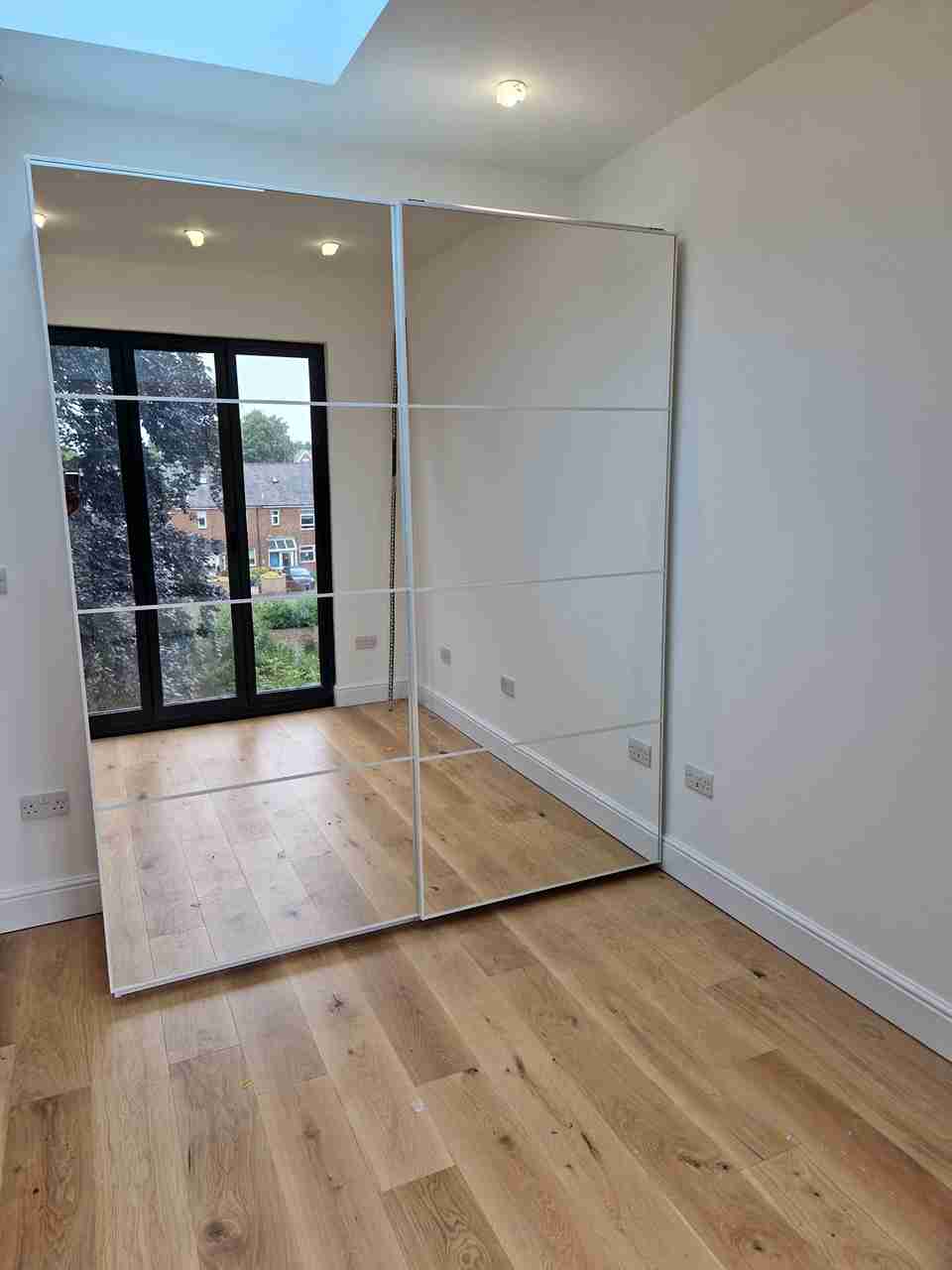
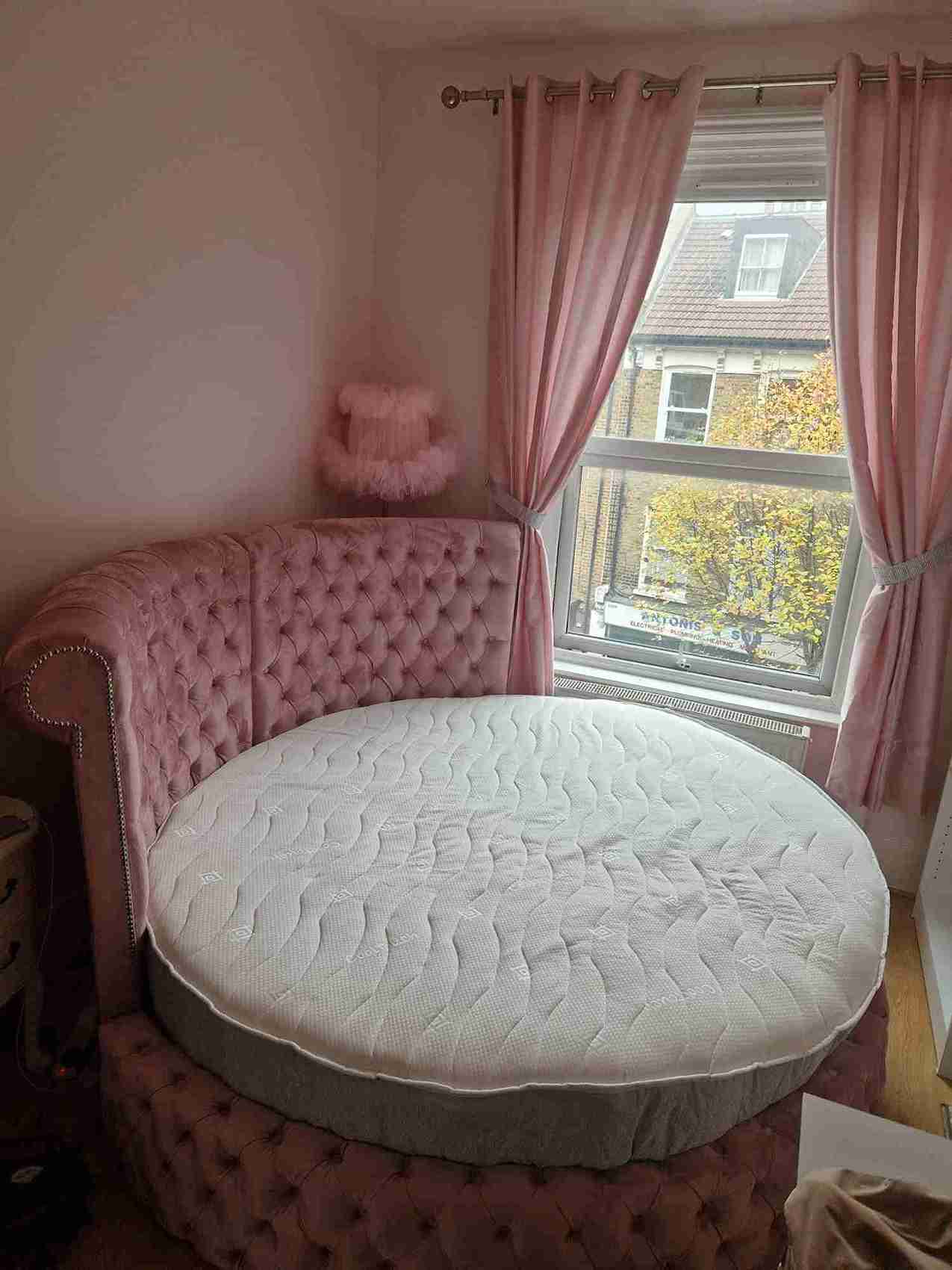
We are the London’s leading flat pack assembling and furniture installation service provider, offering unwavering commitment to excellence. Leveraging our extensive knowledge and strategic work approach, we offer reliable services and promising results. Collaborate with the experts to streamline your experience with unparalleled professionalism and expertise.

Our team of furniture assembly experts will handle all of your flat pack furniture assembly and installation needs, throughout London and the surrounding area. Whether you are searching for furniture assembly for your home, office, or outdoor area, our team has the right solution for you. We offer private home assembly services, as well as business or corporate furniture assembly services. Call us today to discuss our professional, efficient, and affordable flat pack assembly services.





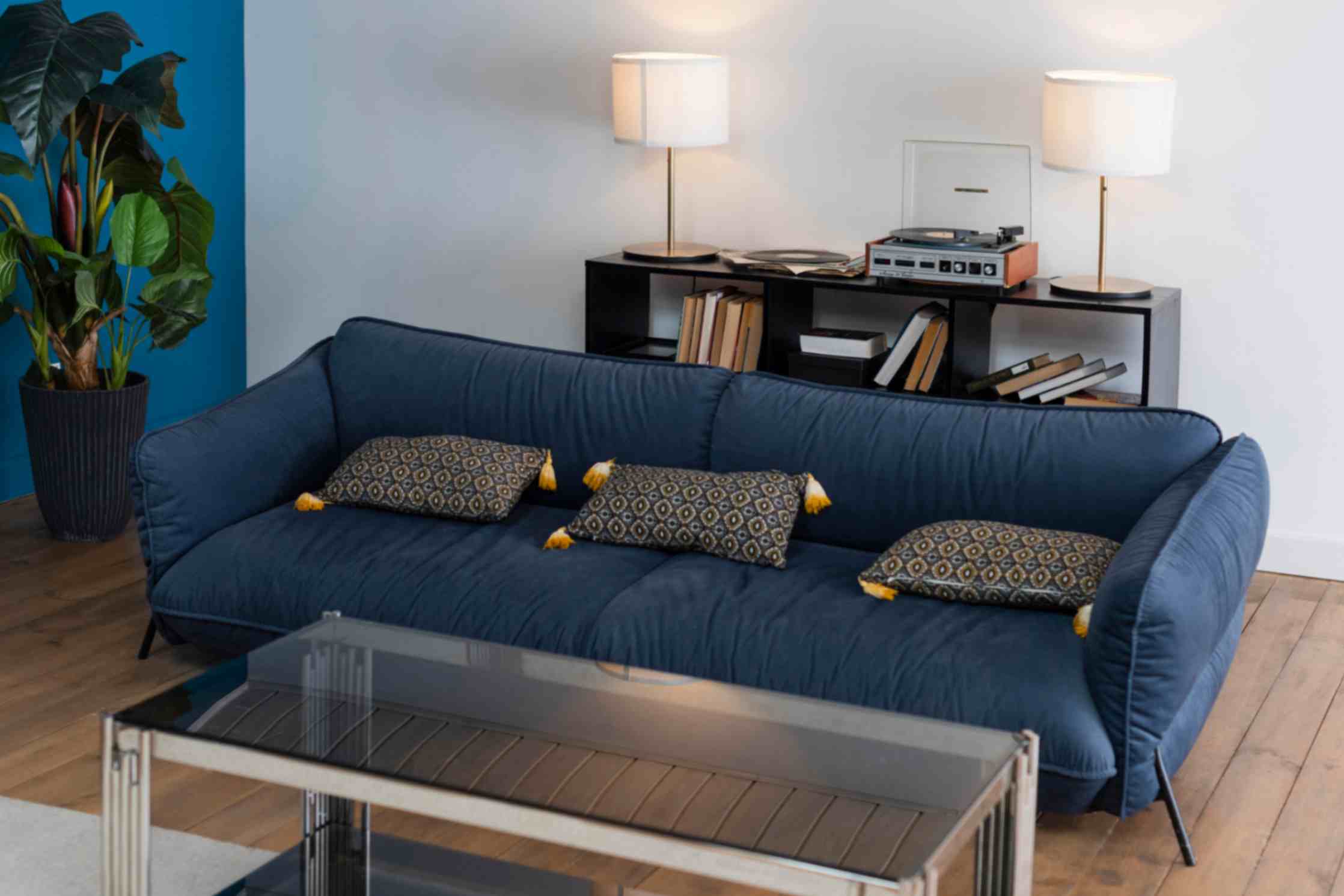
If you want to buy new furniture, it is usually sold in the form of a flat pack. Flat pack has become a renowned choice for many proprietors because of its inexpensiveness, adaptability, and ease of transport. This has to be assembled by you or experts from a trustworthy company.
The easiness of assembly does not ensure durability. Ensuring your flat pack furniture lasts a lifetime necessitates careful considerations and regular maintenance. In this blog, we will explore the different ways to use some strategic methods to boost the sturdiness of your flat pack pieces, from assembly best practices to ongoing maintenance. Wherever the furniture is designed and manufactured, you can not only extend the expected life of your flat pack furniture but also enjoy it for years to come.
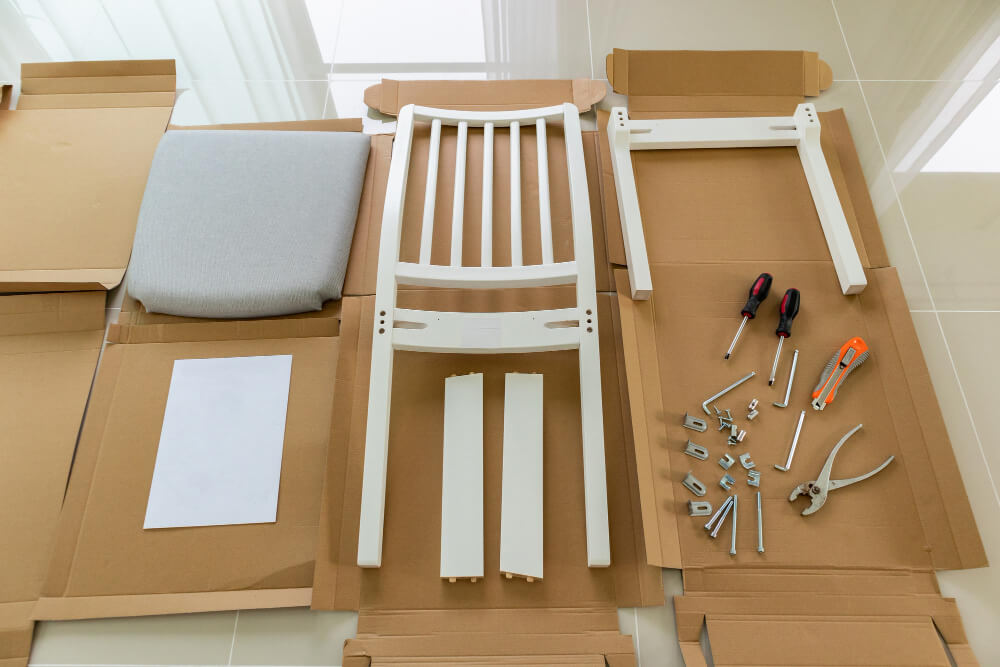
Flat pack furniture, also known as Ready-to-assemble furniture (RTA), knock-down furniture (KD), or kit furniture, is a type of furniture that you must assemble yourself. The isolated elements are packed for sale in boxes containing assembly guidelines and sometimes hardware.
The furniture is typically straightforward to assemble, and basic tools like hex keys are often included in the package. Flat pack furniture is popular among customers who want to save money by assembling it themselves.
Flat pack furniture is popular for its accessibility and affordable pricing. However, most individuals overlook how to sustain and prolong the lifespan of these pieces. Here are some key strategies to help your flat pack furniture last a lifetime.
Read Instructions Thoroughly: You need to pay proper attention to every detail and make sure you are using the appropriate screws and parts.
Don’t Rush: Take your time, align parts precisely before tightening, and avoid overtightening, which can cause damage.
Use the Right Tools: Invest in quality tools like a power drill with adjustable torque settings for accurate screw placement, simplifying the process without damaging the furniture.
Wood Glue: Apply a minor drop of wood glue to the joints before you screw them together for further strength.
Braces and Supports: Wooden braces or battens can offer additional stability for areas such as shelves or drawers, particularly if you are planning to store bulky items.
Panel Pins: Use panel pins to attach them inflexibly when attaching backboards or side panels.
Opt for Quality Materials: Instead of cheap chipboard, you can choose flat furniture manufactured from dense materials such as medium-density fibreboard (MDF).
Check for Laminates: Try to find furniture with high-grade laminates that are resilient to scratches and moisture.
Furniture Pads: To avoid scratches on floors, attach furniture felt pads beneath the legs and joints.
Protective Finishes: To safeguard visible surfaces against deterioration, consider applying a layer of wax or varnish.
Avoid Overloading: Never overload your shelves with excessive weight to inhibit sagging.
Handle with Care: Lift furniture carefully and refrain from dragging it on the floor.
Regular Maintenance: Regularly wipe surfaces to avoid dust accumulation and possible damage.
Custom Modifications
Personalised a Piece: If you wish to personalise a specific piece, you can consider adjustments that improve stability without compromising its design.
Functionality Enhancement: To give flat pack furniture a fresh start while improving its functionality, add wooden support brackets, extra legs, or even a fresh coat of paint.
Schedule Regular Check-ups: You can schedule regular inspection with experienced experts for your flat pack furniture.
Inspect Joints and Connectors: Inspect joints and connectors once in a blue moon for any signs of wear or loosening.
Tighten Screws and Bolts: A simple tightening of screws or bolts can avoid possible damage and is a small investment of time compared to potential repairs later.
Suitable Clean: You can clean your flat pack furniture appropriately using soft, damp cloths regardless of abrasive materials that can scratch surfaces.
Choose the Right Cleaners: You need to choose gentle, furniture-specific cleaners that maintain the integrity of the material and prevent harsh chemicals.
Sunlight Exposure: Keep your flat pack furniture out of direct sunlight, as prolonged exposure can lead to fading and warping.
Humidity Control: Maintain a steady humidity level in your home. Excessive moisture can cause wood to swell, whereas dry conditions may lead to cracking and splitting.
Organised and Safe Storage: If furniture should be disassembled for storage or relocation, keep all parts organised and securely packed.
Labelling: To make reassembly as seamless as possible, you can label screws and components.
To efficiently and appropriately assemble your flat pack furniture, you should trust experienced experts from Alain Assembly. We have extensive experience and are skilled at handling flat pack furniture assembly, saving you time and preventing hindrances while ensuring a quality build that will last.
You can also ask us to repair and maintain your furniture to preserve its aesthetic appeal and functionality. Rest assured, we prioritise customer satisfaction and ensure that we handle even the most intricate flat pack designs proficiently.
Expert Furniture Assembly in London: From Homes to Commercial Offices Whether you are moving into a new residential property or
Custom IKEA PAX & Wardrobe Hacks Across London Custom fitted wardrobes and wall-to-wall storage units can transform a bedroom or
When you order new furniture to your home or office, you need a local handyman team you can rely on